
EbookerExtra

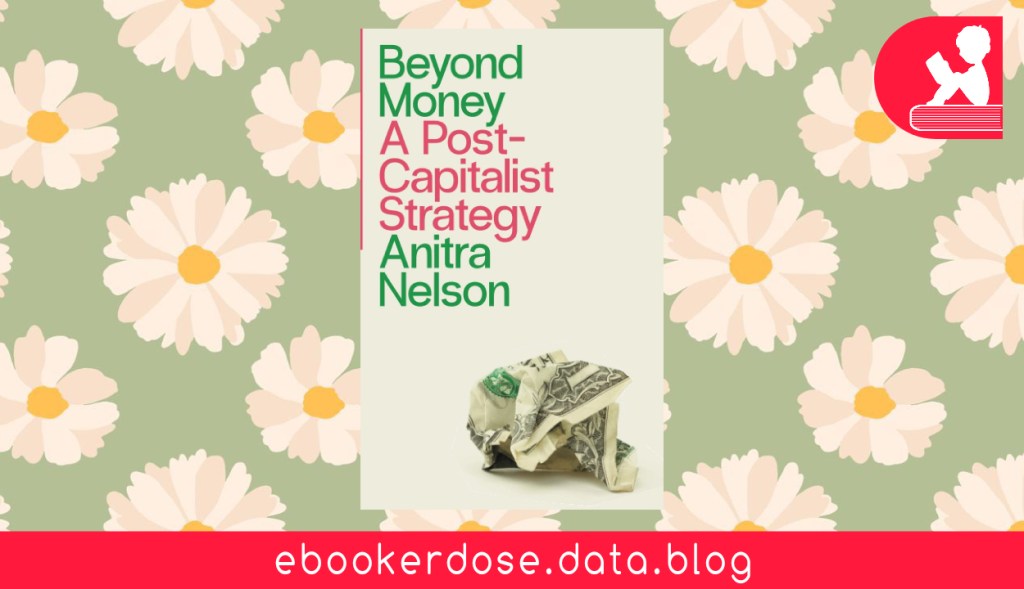
Beyond Money – Anita Nelson

A fascinating portal into arguments about why we need to get beyond money’ – Harry Cleaver

What would a world without money look like? This book is a lively thought experiment that deepens our understanding of how money is the driver of political power, environmental destruction and social inequality today, arguing that it has to be abolished rather than repurposed to achieve a postcapitalist future.

Grounded in historical debates about money, Anitra Nelson draws on a spectrum of political and economic thought and activism, including feminism, ecoanarchism, degrowth, permaculture, autonomism, Marxism and ecosocialism. Looking to Indigenous rights activism and the defense of commons, an international network of activists engaged in a fight for a money-free society emerges.

Beyond Money shows that, by organizing around post-money versions of the future, activists have a hope of creating a world that embodies their radical values and visions.
EbookerExtra

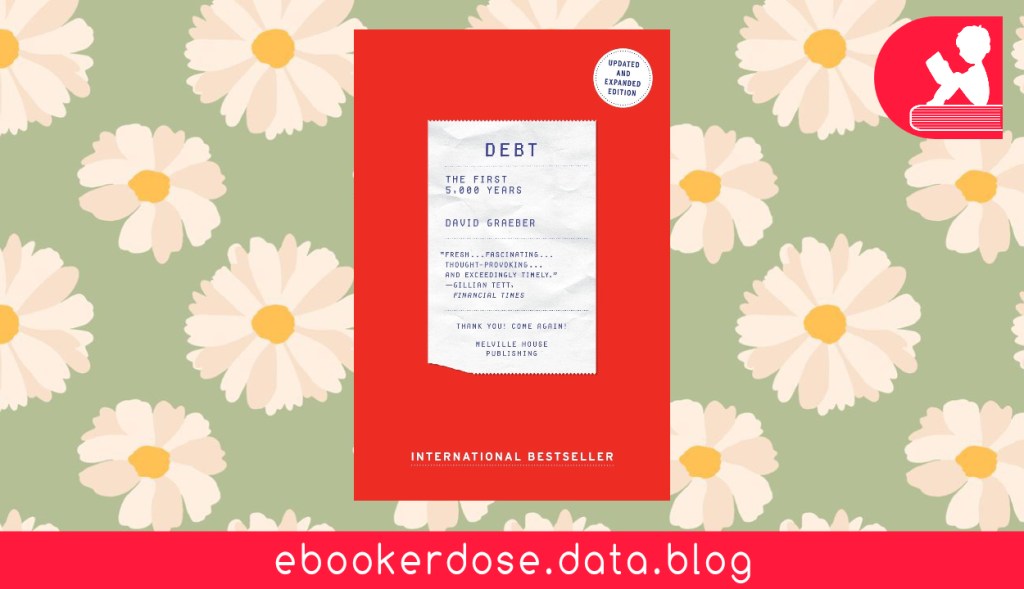
Debt – David Graeber

Every economics textbook says the same thing: Money was invented to replace onerous and complicated barter systems—to relieve ancient people from having to haul their goods to market. The problem with this version of history? There’s not a shred of evidence to support it.

Here anthropologist David Graeber presents a stunning reversal of conventional wisdom. He shows that for more than 5,000 years, since the beginnings of the first agrarian empires, humans have used elaborate credit systems to buy and sell goods—that is, long before the invention of coins or cash. It is in this era, Graeber argues, that we also first encounter a society divided into debtors and creditors.

Graeber shows that arguments about debt and debt forgiveness have been at the center of political debates from Italy to China, as well as sparking innumerable insurrections. He also brilliantly demonstrates that the language of the ancient works of law and religion (words like “guilt,” “sin,” and “redemption”) derive in large part from ancient debates about debt, and shape even our most basic ideas of right and wrong. We are still fighting these battles today without knowing it.

Debt: The First 5,000 Years is a fascinating chronicle of this little known history—as well as how it has defined human history. It shows how debt has defined our human past, and what that means for our economic future.